Slow Simmered Onion Boil
Highlighted under: Autumn Eats
I absolutely love cooking with onions, and this Slow Simmered Onion Boil has become one of my go-to recipes. The method of slowly simmering the onions infuses them with deep, rich flavors that make them luxurious and comforting. I’ve found that using a mix of different onion varieties adds an extra layer of complexity to the dish. If you're looking for a way to elevate your standard onion recipes, this one will not disappoint. Trust me, the smell alone will have everyone in the house curious about what's cooking.
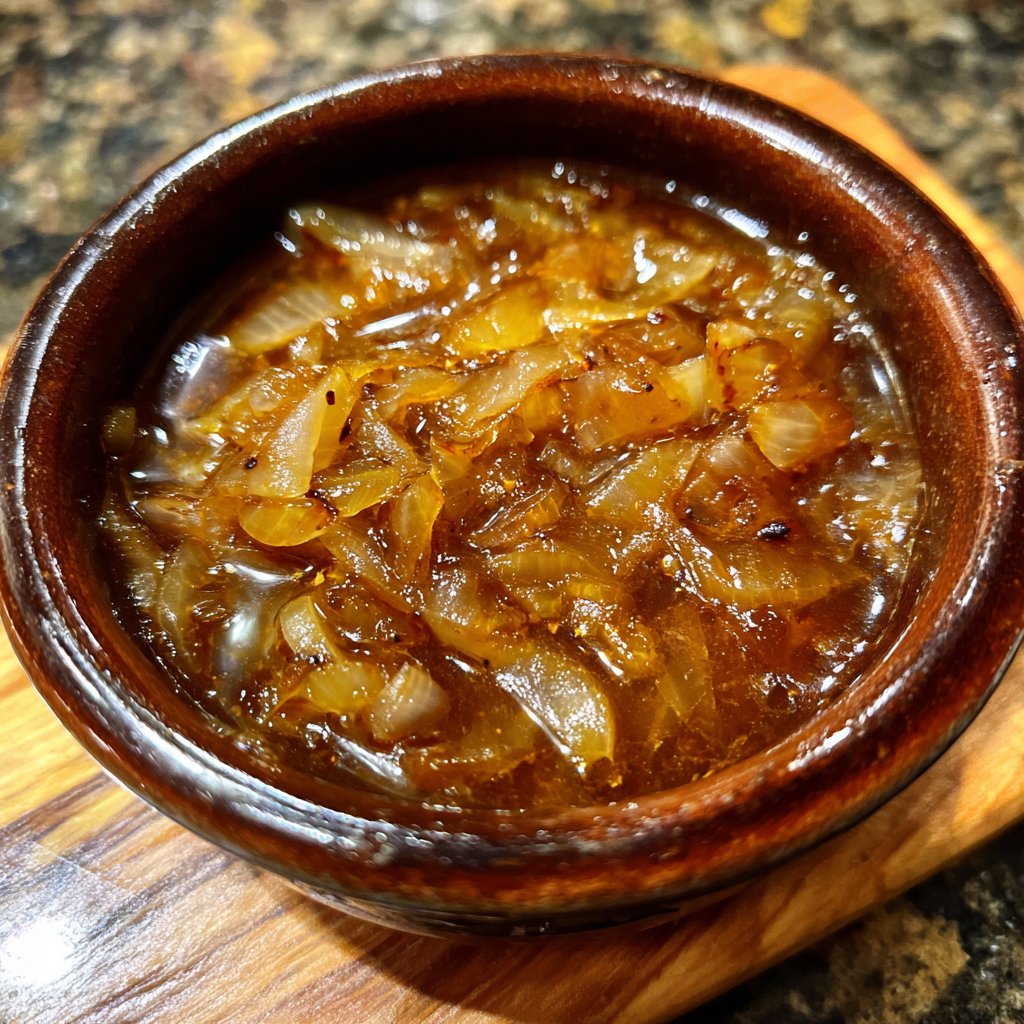
When I first tried a Slow Simmered Onion Boil, I was amazed at how such a simple ingredient could transform into something so extraordinary. By using a blend of yellow, red, and green onions, I discovered that you can really play with the flavor profile. Each variety adds its own unique sweetness, making the final dish a delightful medley that pairs beautifully with grilled meats or simply served as a side.
One of my favorite tips is to add a splash of balsamic vinegar during the last few minutes of cooking. It enhances the natural sweetness of the onions and provides a lovely tang. Always remember, it’s the slow cooking that helps release the sugars in the onions, creating that irresistible caramelization that will make this dish fly off the table!
Why You'll Love This Recipe
- Incredibly rich and sweet onion flavor
- Versatile dish that complements many meals
- Great for meal prep or a cozy family dinner
The Importance of Onion Varieties
Using a combination of onion varieties is key to achieving the depth of flavor in this recipe. Yellow onions bring sweetness and richness, while red onions add a subtle sharpness and vibrant color. Green onions, used as a finishing touch, lend a fresh, mild zing that brightens the dish. The interplay of these flavors results in a complex yet comforting dish that elevates your meal to a whole new level.
I recommend slicing the onions uniformly to ensure even cooking. Aim for about 1/4-inch thick slices, as this size balances the cooking time. Thinner slices may burn easily, while thicker ones could remain chewy. When prepared correctly, the onions should soften beautifully, releasing their natural sugars and turning a golden brown, which enhances their sweetness.
Mastering the Simmering Technique
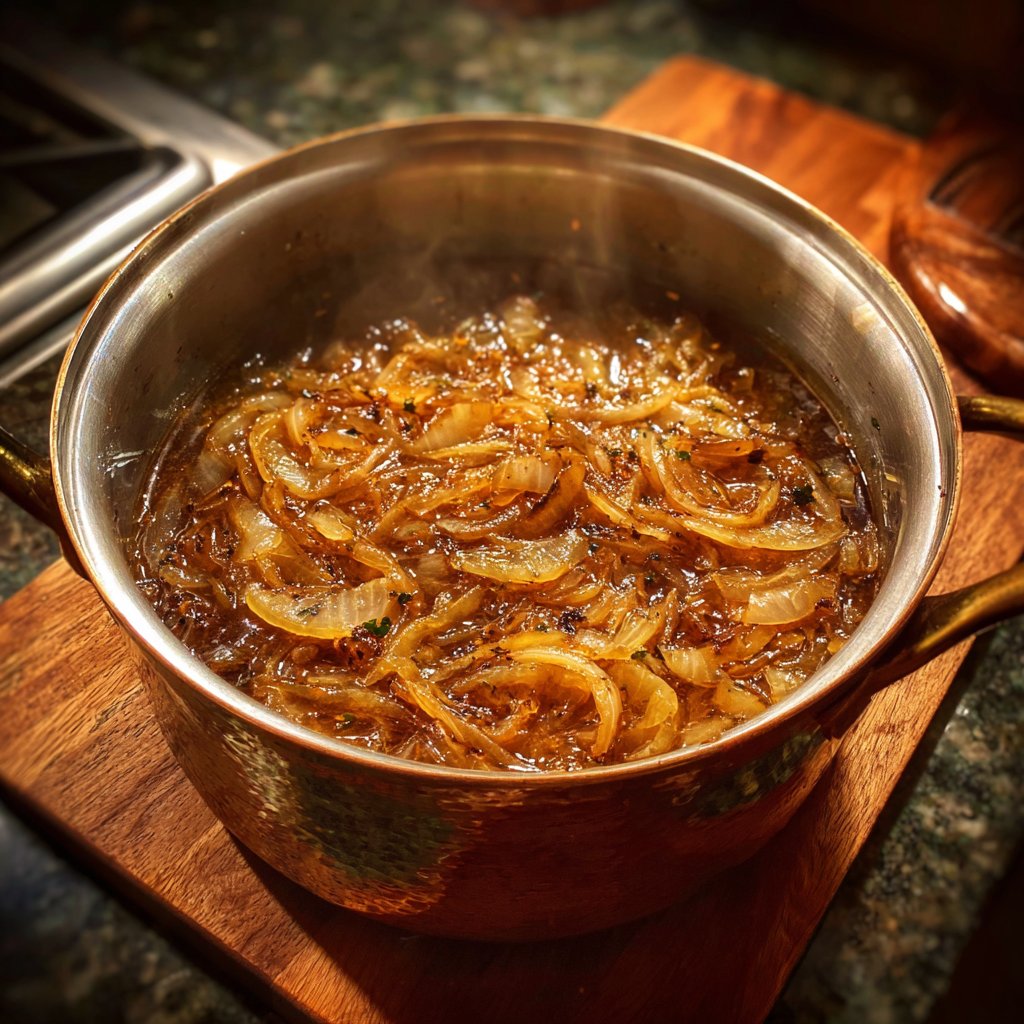
The key to the Slow Simmered Onion Boil is the low and slow cooking technique. Once the onions are sautéed and the broth is added, it’s crucial to reduce the heat and cover the skillet. This creates a humid cooking environment that allows the onions to caramelize without browning too quickly. Keep an eye on them, occasionally stirring to prevent sticking and ensure even infusion of flavors throughout the cooking process.
Simmering for about an hour is essential to achieving that luxurious texture. During this time, the onions will break down and absorb the flavors from the broth and balsamic vinegar. You’ll know it’s ready when the onions become completely tender and the liquid has reduced to a syrupy consistency. If you find the mixture too thick, feel free to add a splash of vegetable broth to maintain the desired consistency.
Storage and Serving Suggestions
This dish is incredibly versatile for meal prep. Store any leftovers in an airtight container in the fridge for up to five days. The flavors intensify as it sits, making it a fantastic option for quick weeknight meals. You can easily reheat it in a skillet over low heat or in the microwave, adding a splash of broth to loosen it if necessary. The Slow Simmered Onion Boil also freezes well; just be sure to cool it completely before transferring it to freezer-safe containers.
As for serving, this dish pairs beautifully with roasted meats, grilled vegetables, or even as a topping for baked potatoes. I often enjoy it as a flavorful addition to sandwich fillings or served alongside a simple arugula salad for an elegant dinner. Consider garnishing with additional fresh parsley or a sprinkle of feta cheese for a nice contrast to the sweet onions.
Ingredients
Gather the following ingredients to create this delicious onion dish:
Ingredients
- 4 large yellow onions, sliced
- 2 large red onions, sliced
- 2 bunches green onions, sliced
- 3 tablespoons olive oil
- 1 tablespoon balsamic vinegar
- 1 teaspoon salt
- ½ teaspoon black pepper
- 2 cups vegetable broth
- Fresh parsley for garnish
Make sure to have these ready before you start cooking for the best results!
Instructions
Follow these steps to achieve the perfect Slow Simmered Onion Boil:
Prepare the Onions
Slice all the onions and set them aside.
Heat the Oil
In a large skillet over medium heat, add the olive oil.
Sauté the Onions
Add the sliced onions to the skillet, season with salt and pepper, and cook for 10 minutes, stirring occasionally.
Simmer
Pour in the vegetable broth, reduce the heat to low, and cover the skillet. Let it simmer for about 60 minutes, stirring occasionally.
Finish with Balsamic Vinegar
In the last 5 minutes of cooking, stir in the balsamic vinegar and let it infuse.
Serve
Garnish with fresh parsley and serve warm.
Enjoy your Slow Simmered Onion Boil as a side dish or topping for your favorite protein!
Pro Tips
- For an extra layer of flavor, consider adding herbs like thyme or rosemary during the simmering process.
Troubleshooting Tips
If you find that your onions are cooking too quickly and browning instead of simmering, reduce the heat further. It’s important to maintain a gentle simmer to achieve the soft texture characteristic of this dish. Once you adjust the heat, it’s a good idea to cover the skillet to keep moisture in, allowing the onions to steam and tenderize rightly.
Should you notice the liquid evaporating too quickly, don’t hesitate to add more broth in small increments. This helps maintain the dish's desired consistency and prevents the onions from becoming too dry. Remember, you want a rich, saucy mixture to complement whatever you serve it with.
Flavor Variations
To enhance the flavor of your Slow Simmered Onion Boil, consider adding a splash of white wine to deglaze the pan right after sautéing the onions. This will add an additional depth of flavor that's deliciously complementary. Additionally, you can experiment by incorporating spices such as thyme or rosemary to bring a herbal note to the dish.
For a touch of heat, try adding a pinch of red pepper flakes along with the salt and pepper in the sautéing step. This will provide a gentle warmth that contrasts beautifully with the sweetness of the onions. Each variant can bring a delightful twist, ensuring that this recipe remains a new experience every time you make it.
Questions About Recipes
→ Can I use other types of onions?
Absolutely! Feel free to experiment with shallots or sweet onions for different flavors.
→ How can I store leftovers?
Store any leftovers in an airtight container in the refrigerator for up to 3 days.
→ Can this be made vegetarian?
Yes, just use vegetable broth as suggested in the recipe.
→ What dishes do you recommend pairing this with?
It pairs wonderfully with grilled meats, roasted vegetables, or as a topping for burgers and sandwiches.
Slow Simmered Onion Boil
Created by: The Chefnoahcooks Team
Recipe Type: Autumn Eats
Skill Level: Intermediate
Final Quantity: 4 servings
What You'll Need
Ingredients
- 4 large yellow onions, sliced
- 2 large red onions, sliced
- 2 bunches green onions, sliced
- 3 tablespoons olive oil
- 1 tablespoon balsamic vinegar
- 1 teaspoon salt
- ½ teaspoon black pepper
- 2 cups vegetable broth
- Fresh parsley for garnish
How-To Steps
Slice all the onions and set them aside.
In a large skillet over medium heat, add the olive oil.
Add the sliced onions to the skillet, season with salt and pepper, and cook for 10 minutes, stirring occasionally.
Pour in the vegetable broth, reduce the heat to low, and cover the skillet. Let it simmer for about 60 minutes, stirring occasionally.
In the last 5 minutes of cooking, stir in the balsamic vinegar and let it infuse.
Garnish with fresh parsley and serve warm.
Extra Tips
- For an extra layer of flavor, consider adding herbs like thyme or rosemary during the simmering process.
Nutritional Breakdown (Per Serving)
- Calories: 220 kcal
- Total Fat: 11g
- Saturated Fat: 2g
- Cholesterol: 0mg
- Sodium: 240mg
- Total Carbohydrates: 31g
- Dietary Fiber: 4g
- Sugars: 5g
- Protein: 3g