Global Japanese Sushi Rolls
Highlighted under: World Tastes
I absolutely love making sushi rolls at home, especially when I can experiment with different flavors inspired by global cuisines. Crafting Global Japanese Sushi Rolls allows me to blend traditional sushi techniques with a variety of ingredients, creating unique flavor combinations that excite my palate. This recipe is not only enjoyable to prepare but also a fantastic way to impress guests at any gathering. With a touch of creativity and a few essential components, I can whip up sushi that transports me straight to Japan while incorporating my favorite international twists.
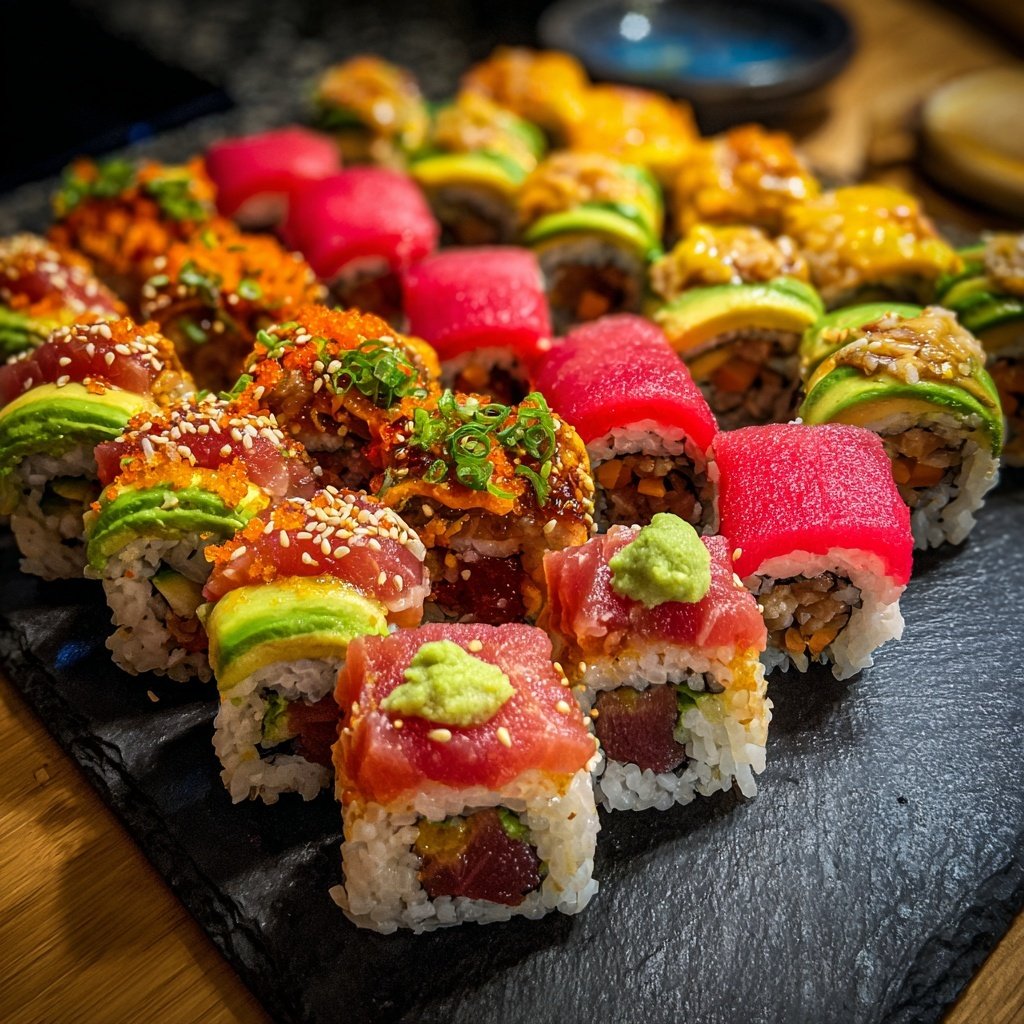
When I first began making sushi at home, I was amazed by how versatile it can be. After several attempts, I discovered the magic of combining fresh ingredients from different cultures with traditional sushi techniques. Whether it’s adding spiced avocado from Mexico or a tangy pickled vegetable from Korea, the possibilities felt endless. I found this approach not only enhanced the flavor but also made each roll an adventure on my plate.
While crafting healthful sushi rolls, I always focus on the balance of flavors and textures. One tip I learned is to use a sushi mat for rolling, which helps maintain the right tightness. Additionally, incorporating a little cream cheese or sriracha can create a delightful twist that elevates the taste. Experimenting with sauces and toppings became a signature part of my sushi-making journey.
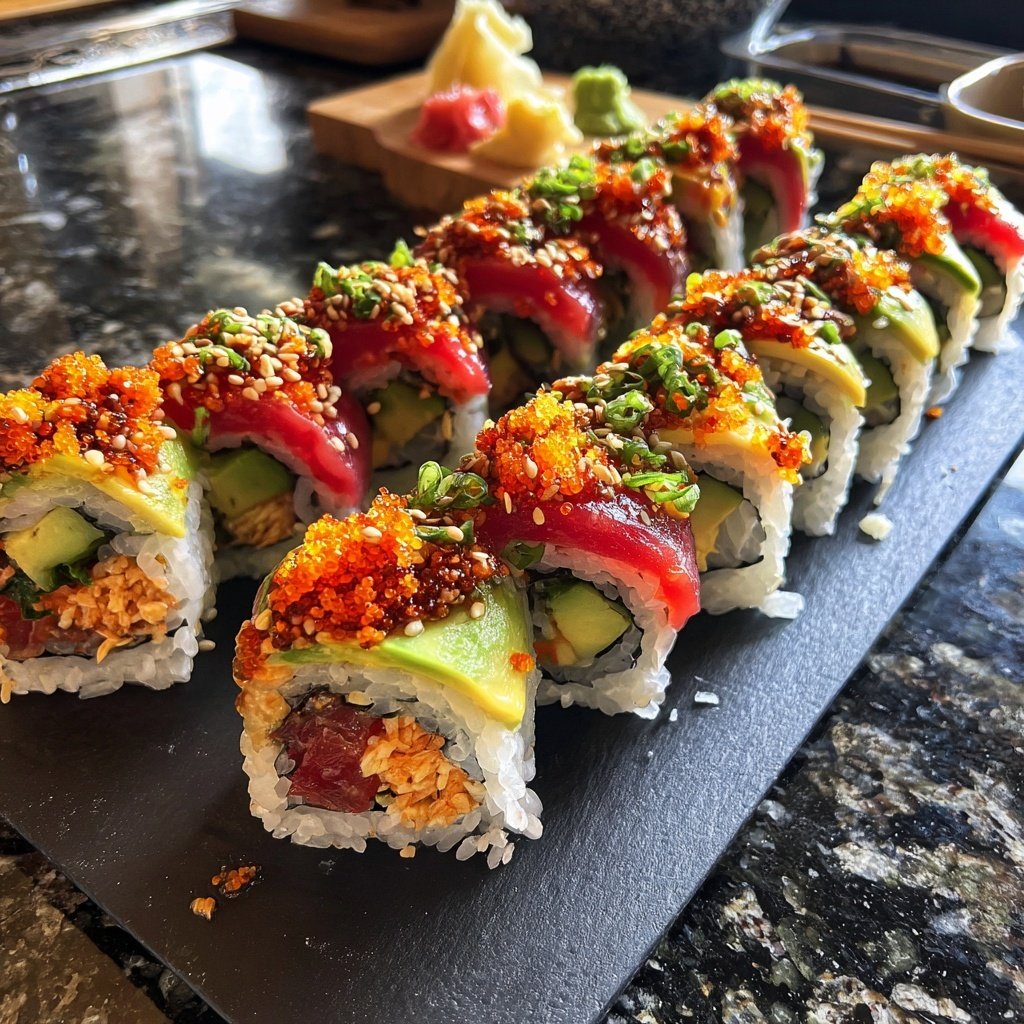
Why You Will Love These Rolls
- Versatile flavors from around the world
- Fresh ingredients that create delightful texture
- Fun and interactive for gatherings and celebrations
Understanding Sushi Rice
The foundation of any great sushi roll lies in the sushi rice. To achieve that perfect sticky texture, be sure to rinse the rice thoroughly under cold water until the water runs clear. This removes excess starch, which can cause the rice to become gummy. Using a rice cooker ensures even cooking and results in fluffy grains. Once cooked, mixing in rice vinegar, sugar, and salt should be done gently, just until glossy—for best flavor, let the seasoned rice sit for 10-15 minutes before using.
Choosing the right sushi rice is crucial. Short-grain Japanese rice is preferred for its stickiness, which helps the rolls hold their shape. If you find it difficult to source sushi rice, you can substitute with medium-grain rice, but avoid long-grain varieties as they won’t provide the same texture. For those who need a gluten-free option, make sure to double-check that your rice vinegar is gluten-free, as some varieties may contain additives.
Creative Filling Combinations
While traditional sushi rolls might feature specific ingredients, this recipe invites you to explore diverse flavors. Besides the classic fillings like avocado and crab, feel free to experiment with grilled chicken, sliced jalapeños, or pickled vegetables to create your custom rolls. It’s essential to keep the fillings balanced; for instance, if you opt for a sharper flavor like pickled ginger, ensure that you pair it with milder ingredients like cream cheese to maintain harmony.
For those with dietary restrictions, tofu can replace crab meat without sacrificing taste or texture. Use firm or extra-firm tofu and press it to remove excess moisture before shredding. Additionally, you can make these rolls vegetarian or vegan by relying entirely on fresh vegetables and innovative sauces, like replacing spicy mayo with a ginger-carrot dressing. This versatility allows you to cater to different tastes while exploring the world of sushi.
Perfecting Your Rolling Technique
The rolling technique can be challenging but is essential for achieving that authentic sushi experience. Be sure to keep your hands moist while working with the rice to prevent sticking. When placing your fillings, try not to overstuff the roll; a heaped layer often leads to messy sushi that can burst apart. You can use about a quarter-cup of fillings per roll as a guideline.
To seal your sushi rolls effectively, it’s helpful to apply a small amount of water along the edge of the nori before rolling. This acts as a glue and helps keep everything in place. If you find the rolls are not holding together, it may be due to either insufficient pressure while rolling or too loose an assembly. Practice a firm yet gentle hand when rolling—this balance is crucial in achieving a tightly rolled sushi with beautifully distinct layers.
Ingredients
Ingredients
Sushi Rice
- 2 cups sushi rice
- 2 1/2 cups water
- 1/3 cup rice vinegar
- 2 tablespoons sugar
- 1 teaspoon salt
Fillings
- 1 ripe avocado, sliced
- 1 cucumber, julienned
- 1 carrot, julienned
- 4 oz crab meat or tofu, shredded
- 1/2 cup spicy mayo (mix mayonnaise with sriracha)
- 1/4 cup cream cheese (optional)
Nori & Sesame
- 4 sheets nori (seaweed)
- Sesame seeds for garnish
- Soy sauce for dipping
Instructions
Instructions
Prepare the Sushi Rice
Rinse the sushi rice under cold water until the water runs clear. Combine the rice and water in a rice cooker and follow the manufacturer's instructions. Once cooked, let it cool slightly and mix in the rice vinegar, sugar, and salt. Set aside.
Assemble the Fillings
While the rice cools, prepare the fillings. Slice the avocado, julienne the cucumber and carrot, and shred the crab or tofu. Have the spicy mayo and cream cheese ready for assembly.
Roll the Sushi
Place a sheet of nori on a bamboo sushi mat, shiny side down. Wet your hands to prevent sticking, and spread a thin layer of sushi rice over the nori, leaving about 1 inch at the top. Layer your desired fillings across the center and drizzle with spicy mayo. Roll the mat away from you, applying gentle pressure to form a tight roll. Seal the edge with a bit of water.
Slice and Serve
Using a sharp knife, slice the roll into bite-sized pieces. Sprinkle with sesame seeds and serve with soy sauce on the side.
Pro Tips
- For a beautiful presentation, arrange the sushi on a platter with decorative garnishes such as pickled ginger and wasabi.
Storage and Make-Ahead Tips
If you’ve made more sushi than you can eat, storing leftover rolls can be tricky. To maintain freshness, wrap them tightly in plastic wrap. However, sushi is best consumed fresh and may lose texture if stored for more than a few hours. If you’re planning to make sushi in advance, consider preparing the rice and fillings separately and assembling just before serving. This method will ensure the nori stays crispy and the fillings are fresh.
For longer storage options, individual components can be prepared and kept in the fridge. Sushi rice can be made up to a day ahead, while prepped vegetables and protein can maintain their flavor and crunch in airtight containers. Come serving time, simply roll them up and enjoy—this strategy is perfect for events where you want to impress without the last-minute rush.
Serving Suggestions
Presentation enhances the sushi experience. Instead of simply placing your sushi rolls on a plate, consider using a wooden sushi serving board or traditional Japanese dishes for an authentic touch. Accompany your rolls with a variety of dipping sauces; besides soy sauce, you can offer wasabi or even a ponzu sauce for an extra zing. Fresh garnishes like shiso leaves or microgreens add an appealing visual and flavorful punch.
Pair your sushi rolls with a selection of side dishes to create a full sushi meal. Things like edamame, seaweed salad, or miso soup provide excellent balance and a well-rounded culinary experience. Completing the meal with a light dessert, such as mochi or green tea ice cream, can perfectly round off your gatherings and impress your guests!
Questions About Recipes
→ Can I use brown rice instead of white sushi rice?
Yes, but the texture and flavor will differ. Brown rice is chewier and has a nuttier taste.
→ What are some suggested fillings for these sushi rolls?
Feel free to experiment! Options like mango, shrimp tempura, or grilled vegetables all work beautifully.
→ How do I store leftover sushi?
Sushi is best enjoyed fresh. If you have leftovers, store them in an airtight container in the refrigerator and consume within 24 hours.
→ What if I can't find nori?
You can substitute with rice paper or use a large lettuce leaf for a fresh twist on the sushi roll.
Global Japanese Sushi Rolls
Created by: The Chefnoahcooks Team
Recipe Type: World Tastes
Skill Level: Intermediate
Final Quantity: 4 rolls
What You'll Need
Sushi Rice
- 2 cups sushi rice
- 2 1/2 cups water
- 1/3 cup rice vinegar
- 2 tablespoons sugar
- 1 teaspoon salt
Fillings
- 1 ripe avocado, sliced
- 1 cucumber, julienned
- 1 carrot, julienned
- 4 oz crab meat or tofu, shredded
- 1/2 cup spicy mayo (mix mayonnaise with sriracha)
- 1/4 cup cream cheese (optional)
Nori & Sesame
- 4 sheets nori (seaweed)
- Sesame seeds for garnish
- Soy sauce for dipping
How-To Steps
Rinse the sushi rice under cold water until the water runs clear. Combine the rice and water in a rice cooker and follow the manufacturer's instructions. Once cooked, let it cool slightly and mix in the rice vinegar, sugar, and salt. Set aside.
While the rice cools, prepare the fillings. Slice the avocado, julienne the cucumber and carrot, and shred the crab or tofu. Have the spicy mayo and cream cheese ready for assembly.
Place a sheet of nori on a bamboo sushi mat, shiny side down. Wet your hands to prevent sticking, and spread a thin layer of sushi rice over the nori, leaving about 1 inch at the top. Layer your desired fillings across the center and drizzle with spicy mayo. Roll the mat away from you, applying gentle pressure to form a tight roll. Seal the edge with a bit of water.
Using a sharp knife, slice the roll into bite-sized pieces. Sprinkle with sesame seeds and serve with soy sauce on the side.
Extra Tips
- For a beautiful presentation, arrange the sushi on a platter with decorative garnishes such as pickled ginger and wasabi.
Nutritional Breakdown (Per Serving)
- Calories: 250 kcal
- Total Fat: 10g
- Saturated Fat: 2g
- Cholesterol: 30mg
- Sodium: 120mg
- Total Carbohydrates: 34g
- Dietary Fiber: 3g
- Sugars: 1g
- Protein: 6g