Dandelion Leaves with Garlic
Highlighted under: Basic Recipes
When I first encountered dandelion leaves at the farmer's market, I was intrigued. These vibrant greens not only pack a nutritional punch but also bring a unique, slightly bitter flavor to dishes. This recipe for Dandelion Leaves with Garlic has become a go-to for me, as the garlic perfectly harmonizes with the leaves, creating a deliciously simple side dish. Whether sautéed or tossed in a salad, you'll find these leaves are a wonderful addition to any meal.
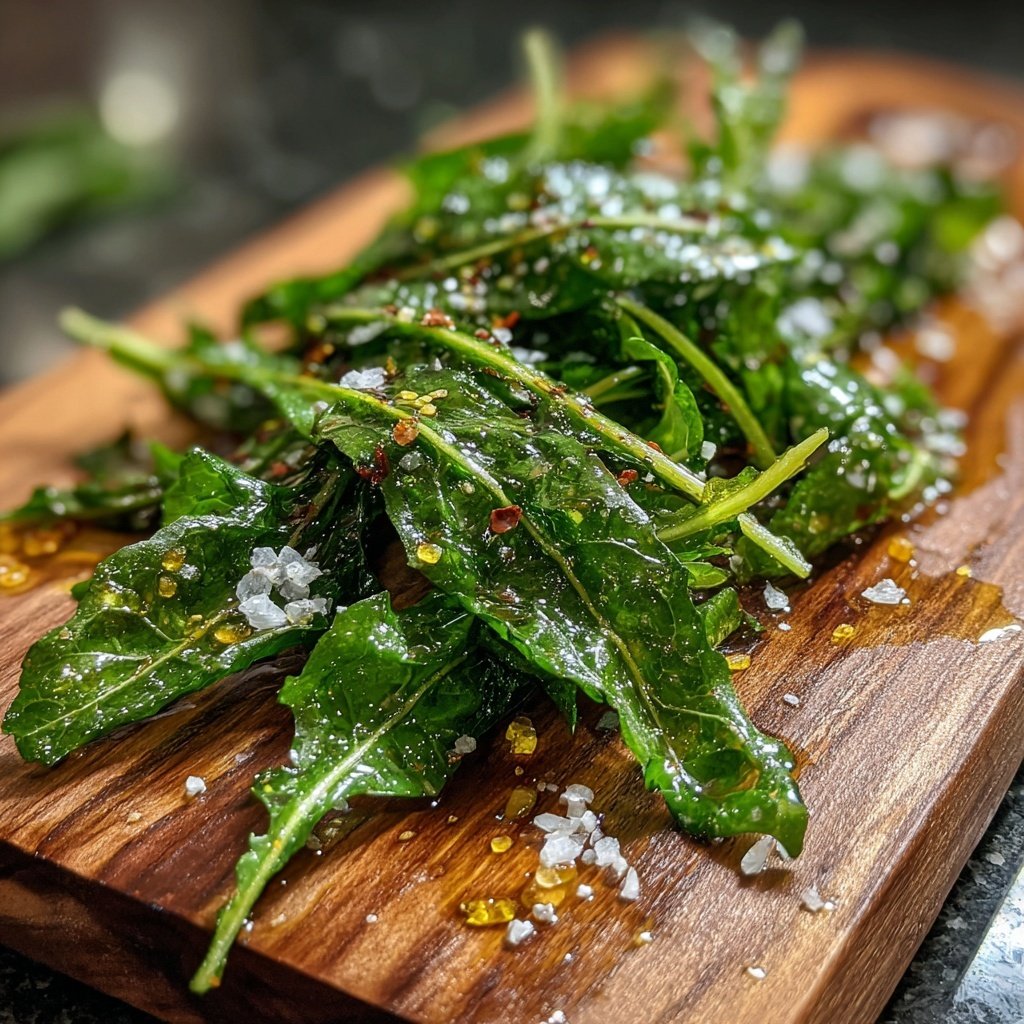
My first attempt at cooking dandelion leaves was a delightful surprise. I had chosen them for their vibrant color and supposed health benefits but had underestimated their unique taste. Sautéing the leaves with garlic not only cut through their bitterness but also enhanced their earthy flavor. I learned that a splash of lemon juice at the end adds brightness without overpowering the greens.
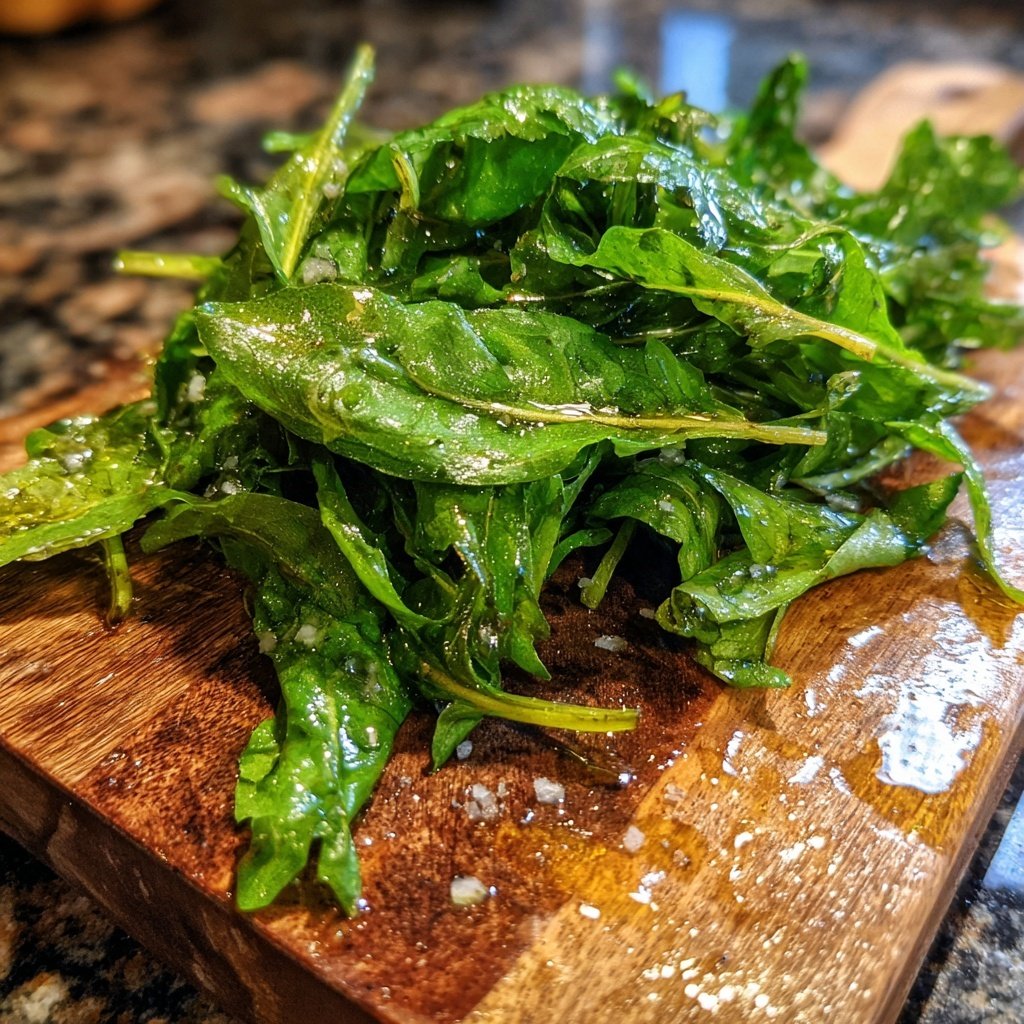
Over time, I’ve experimented with various cooking methods, but the simplicity of sautéing remains my favorite. The combination of olive oil and garlic allows the dandelion leaves to shine, transforming them into a delectable side dish or salad base. It's a preparation I find myself returning to again and again.
Why You Will Love This Recipe
- Unique and earthy flavor that surprises the palate.
- Packed with vitamins and antioxidants for a healthy boost.
- Quick and easy preparation makes it perfect for busy weeknights.
Understanding Dandelion Leaves
Dandelion leaves are a nutritional powerhouse, rich in vitamins A, C, and K, plus a range of antioxidants. Their slightly bitter flavor can enhance a dish, balancing richness and adding depth. Selecting tender young leaves will provide a milder taste, while older leaves can be considerably stronger and more bitter. I recommend sourcing dandelion leaves from local farmer's markets, where you'll find the freshest options that are free of pesticides.
Proper preparation of dandelion leaves is crucial for texture. After washing and chopping, look out for any tough stems and remove them, as they can be fibrous and unpleasant to chew. Sautéing the leaves will not only soften them but also mellow their bitterness, transforming them into a delightful component of your meal.
The Role of Garlic
Garlic adds a robust flavor that complements the earthiness of dandelion leaves splendidly. When sautéing garlic, keep a close watch; it should turn golden and aromatic but avoid browning, as burnt garlic can impart an unpleasant bitterness to the dish. Using fresh garlic is key, as pre-minced varieties can taste dull compared to the vibrant, pungent notes of freshly minced cloves.
Feel free to experiment with the amount of garlic based on your taste preference. If you find three cloves too strong, you can reduce the quantity or even substitute with roasted garlic for a sweeter, more mellow flavor profile that pairs beautifully with the greens.
Serving Suggestions
Once you have sautéed your dandelion leaves, consider serving them as a side dish alongside grilled meats or fish. The acidity from the lemon juice will help to cut through rich proteins, while the bitterness of the leaves adds an intriguing flavor dimension. Providing a garnish of toasted nuts or seeds can also introduce a satisfying crunch and additional nutrition.
Alternatively, incorporate sautéed dandelion leaves into salads for added taste and texture. Toss them with other greens, avocado, and a light vinaigrette for a refreshing meal. If you're looking to bulk up the dish, adding grains like quinoa or farro can turn this simple side into a hearty main course.
Ingredients
Gather these fresh ingredients for a vibrant side dish:
Ingredients
- 2 cups dandelion leaves, washed and chopped
- 2 tablespoons olive oil
- 3 cloves garlic, minced
- Salt and pepper to taste
- Juice of half a lemon
Once all ingredients are prepared, you're ready to cook!
Instructions
Follow these simple steps to make delicious Dandelion Leaves with Garlic:
Sauté the Garlic
In a skillet over medium heat, add the olive oil. Once hot, add the minced garlic and sauté for about 1 minute, or until fragrant.
Add the Dandelion Leaves
Add the chopped dandelion leaves to the skillet. Stir well to combine with the garlic, and cook for about 3-4 minutes, until the leaves are wilted.
Season and Finish
Season with salt and pepper to taste. Remove from heat and squeeze fresh lemon juice over the sautéed leaves. Toss to combine and serve immediately.
Enjoy this nutritious dish as a side or mixed into a fresh salad!
Pro Tips
- When selecting dandelion leaves, look for crisp, vibrant greens. They should not be wilted or yellowing. Sautéing them quickly preserves their nutrients and flavor.
Storage and Reheating
If you have leftovers, store the sautéed dandelion leaves in an airtight container in the refrigerator for up to three days. They’re best served fresh, but you can enjoy them cold in salads or warm them up gently in a skillet over low heat. Adding a splash of water can help revive the greens and prevent them from becoming too dry.
Freezing is not recommended for cooked dandelion leaves, as the texture may suffer upon thawing. However, if you're looking to prepare the leaves for later use, consider blanching them briefly, cooling in ice water, and then freezing them. This helps maintain their vibrant color and retains some of their nutritional value.
Flavor Variations
To change things up, consider adding a pinch of red pepper flakes for some heat, or toss in finely chopped anchovies while sautéing the garlic for a savory depth of flavor. You can also experiment with different types of oil; using a nutty oil like sesame can add a unique twist to the dish.
An additional way to enhance your dandelion leaves is by incorporating cheese, such as feta or goat cheese, once cooked. The creaminess from the cheese will balance the bitter notes of the leaves and provide a lovely contrast in texture. Remember to stir in the cheese just before serving to melt it slightly.
Questions About Recipes
→ Can I eat dandelion leaves raw?
Yes, dandelion leaves can be eaten raw in salads, but be mindful of their bitterness.
→ How do I store leftover dandelion leaves?
Store leftover cooked dandelion leaves in an airtight container in the fridge for up to 2 days.
→ What other ingredients can I add to this dish?
You can add chili flakes for heat or nuts for a crunch, depending on your preference.
→ Are dandelion leaves healthy?
Absolutely! Dandelion leaves are rich in vitamins A, C, and K, as well as antioxidants.
Dandelion Leaves with Garlic
Created by: The Chefnoahcooks Team
Recipe Type: Basic Recipes
Skill Level: Easy
Final Quantity: Serves 2
What You'll Need
Ingredients
- 2 cups dandelion leaves, washed and chopped
- 2 tablespoons olive oil
- 3 cloves garlic, minced
- Salt and pepper to taste
- Juice of half a lemon
How-To Steps
In a skillet over medium heat, add the olive oil. Once hot, add the minced garlic and sauté for about 1 minute, or until fragrant.
Add the chopped dandelion leaves to the skillet. Stir well to combine with the garlic, and cook for about 3-4 minutes, until the leaves are wilted.
Season with salt and pepper to taste. Remove from heat and squeeze fresh lemon juice over the sautéed leaves. Toss to combine and serve immediately.
Extra Tips
- When selecting dandelion leaves, look for crisp, vibrant greens. They should not be wilted or yellowing. Sautéing them quickly preserves their nutrients and flavor.
Nutritional Breakdown (Per Serving)
- Calories: 80 kcal
- Total Fat: 7g
- Saturated Fat: 1g
- Cholesterol: 0mg
- Sodium: 40mg
- Total Carbohydrates: 6g
- Dietary Fiber: 3g
- Sugars: 1g
- Protein: 2g